

Drive sales with Search Engine Marketing (SEM)



Why SEM?
Pay-Per-Click (PPC)
Pay only when your ads are clicked.
Massive Reach
Billions of searches happen a day.
Ad Extensions
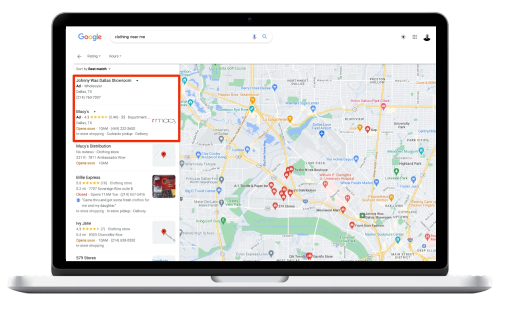
Add info like images, phone numbers, and site links for higher click-through rates.

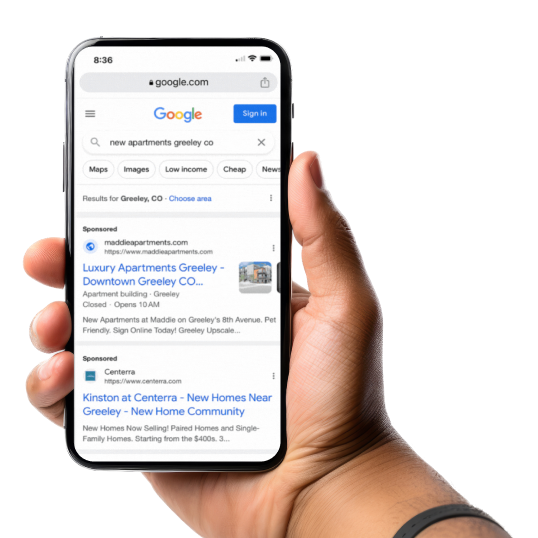

A must-have component of digital marketing
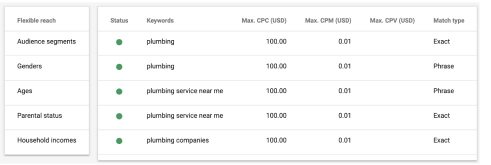
Bid on keywords
We create a list of strategized keywords to bid on. These are keywords users of services, such as Google and Bing, might enter when looking for certain products and/or services.
Ready to Purchase Customers
Search engine marketing is often leveraged at the point at which consumers are researching and comparing products and services, and looking for a retailer.
Audience Targeting
Target audiences based on content consumption, behaviors, location, search data, IP, demographic targeting, and more as part of your omnichannel approach to maximize your campaign performance and ROI.
Flexible Campaigns & Budgets
SEM campaigns can adapt and change based on season, inventory, goals, and much more, allowing for very finely targeted marketing activity.
Our SEM services
Integral to purchasing decisions
SEM is a vital element of a huge proportion of purchasing decisions.
Develop stronger client relationships
When you integrate SEM with other digital marketing services such as programmatic advertising, you’ll build stronger, longer-term relationships and campaigns and growth in your digital marketing service offerings. Studies show that every additional dollar run with Programmatic Display in conjunction with SEM results in 1.5x ROI.
Strong retention rates
Google’s average retention rate is 94%, while the average retention rate of end advertisers buying paid search through an Spotlight channel sales partner is 96%.
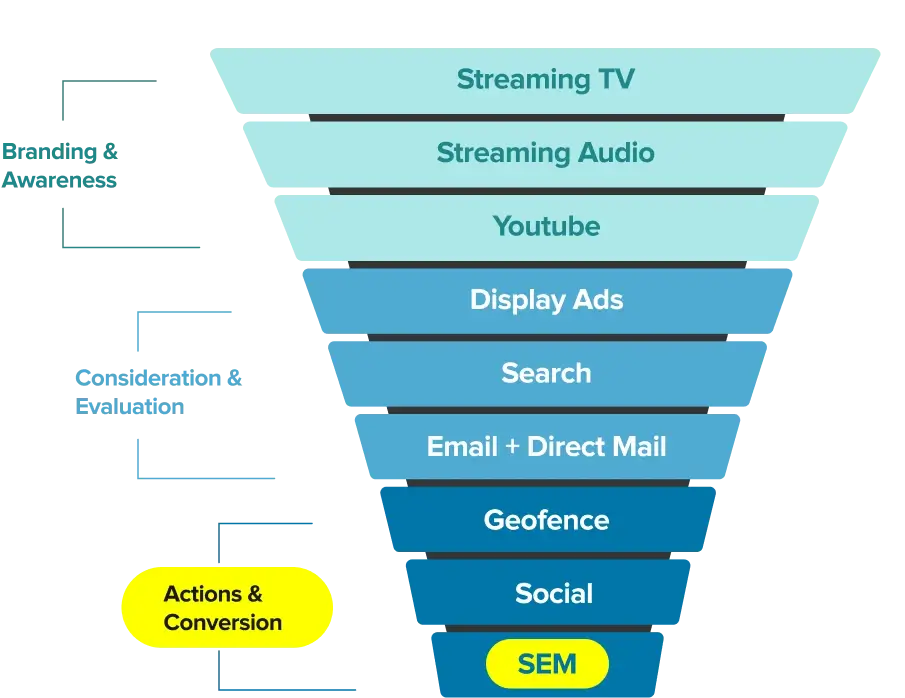
Social Media = Bottom of the Purchase Funnel

Why Spotlight?
Paid Search Experts
Spotlight is recognized for maximizing campaign success for their clients, driving client growth by maintaining clients’ campaigns and demonstrating Google Ads skills and expertise with certifications.
Access to major resources
Our partnership gives us access to Google, Google’s marketing team, Google Premier Partner Badge, Google Certifications, the Google Academy for Ads, beta product testing, and most importantly, Google’s team of experts, who will provide feedback to ensure best practices and the very latest Google Ads features are leveraged.
Local seminars and training
We also help coordinate Google seminars in local markets for local advertisers and help position Search Engine Marketing as a spearhead of growth for your company and clients.
FAQs
Search Engine Marketing FAQs
What’s the difference between SEO and SEM?
Is social media marketing (SMM) the same as SEM?
Why do businesses invest in SEM?
We touched on this above, but here are some concrete benefits of search engine marketing:
- Qualified leads. SEM is a great way to capture the leads who are actively searching and ready to take action—in other words, leads who are at the bottom of the purchase funnel.
- Precision targeting. By incorporating keywords that potential customers are searching for, paid Google ads directly address those customers’ questions and interests. Google ads can also be geographically targeted as well. The combination of keywords and geography is especially impactful for local businesses.
- SEM can produce results quickly. Once Google ads are launched, that business can appear immediately in the search results. Organic rankings can take weeks—and of course, those coveted first-page results may never happen at all.
What metrics are used to measure SEM effectiveness?
Spotlight’s analytics dashboard provides 24/7 insight into paid search ad campaign performance. The Spotlight platform tracks the following:
- Ad impressions
- Clicks/click-thru-rate (CTR)
- Keyword performance
- Devices the ads are viewed on
- City/region-level geography
- Phone calls resulting from the ad